A lawsuit is a formal legal proceeding in which one party brings a civil dispute before a court to seek financial compensation or a specific legal remedy for harm caused by another party. This structured judicial process allows individuals, businesses, and organizations to resolve serious conflicts safely under the strict oversight of the state court system. When you experience severe financial losses due to a motor vehicle collision, product liability issues, or workplace accidents, filing an official personal injury lawsuit provides a legal path toward justice.
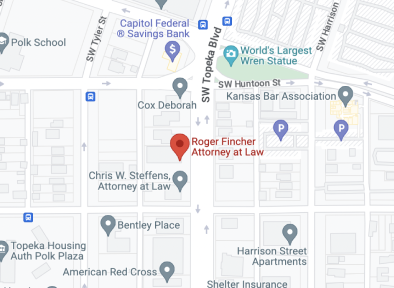
Fincher Law serves the Topeka community by providing clear guidance, collecting necessary video footage, and handling aggressive insurance companies throughout your entire civil personal injury claim. Our dedicated legal team protects your statutory rights and prepares every necessary court file to help you secure a fair damage award or a beneficial insurance settlement. If you need immediate clarity regarding your options under Kansas law, call our local Topeka office today at 785-369-7703 to discuss your active case with an experienced personal injury lawyer during a free legal consultation.
Filing a civil case marks the official start of a structured legal conflict between separate parties. Kansas law provides clear operational guidelines to ensure every citizen receives a fair hearing in court. Understanding these foundational legal rules allows injury victims to seek financial compensation with absolute confidence.
A formal lawsuit serves as a structured process to resolve financial losses and private disputes under state supervision. Individuals utilize personal injury law to hold negligent entities responsible for causing physical trauma, vehicle destruction, or wrongful death. The ultimate goal of this court process is to secure a fair damage award to cover your unexpected bills. Fincher Law evaluates your individual circumstances to determine if filing a petition in court matches your recovery goals. Our local legal team outlines your rights clearly so you can make informed choices about your future stability.
State judicial systems follow strict guidelines to preserve order and guarantee equal treatment for all litigants. Parties must present reliable proof and clear documentation to support their arguments during court sessions. Working with an accident lawyer helps you manage these formal courtroom steps without making administrative mistakes.
Every active lawsuit requires specific participants to resolve the underlying civil dispute under state law. These foundational legal roles ensure a structured framework for presenting evidence inside local courtrooms. Understanding the responsibilities of each participant helps injury victims prepare for their upcoming legal proceedings.
The plaintiff is the injured individual who files the initial petition to start a civil action. This party bears the primary legal burden of proving that another person or business entity caused their financial losses. Conversely, the defendant is the individual, manufacturer, or insurance provider accused of causing the harm or property damage. Fincher Law represents plaintiffs to make sure negligent parties take financial responsibility for the accidents they cause.
Kansas district courts serve as the primary venues for hearing civil matters, including personal injury and wrongful death claims. A state judge manages the daily courtroom operations, rules on legal motions, and ensures both sides follow state procedural rules. In many situations, the judge interprets the governing Kansas Statutes to keep the trial moving forward fairly. These judicial officers protect the integrity of the litigation process from the initial filing until final resolution.
Some civil actions involve large groups of people who share identical financial injuries caused by a single defective product. These combined legal matters allow class members to seek a shared judgment against a negligent corporation or manufacturer. Outside organizations and medical providers also hold minor interests in a claim, especially when medical bills remain unpaid. Legal teams track these distinct external interests to ensure your final settlement covers every outstanding balance.
Managing a civil claim involves multiple moving parts and clear communication among all participants in the courtroom. Our local firm coordinates with every party to protect your statutory right to a fair trial. Knowing who participates in your case makes the entire legal system much easier to comprehend.
UNDERSTAND YOUR RIGHTS AND LEGAL OPTIONS WHEN FACING A LAWSUIT



Every civil lawsuit moves through a structured series of legal stages before reaching a final resolution. These procedural milestones ensure that both sides have ample time to review facts and present arguments fairly. Knowing the standard path of a legal dispute allows injury victims to anticipate upcoming courtroom requirements with confidence.
A civil action officially begins when your attorney files a formal petition with the clerk of the district court. While many citizens refer to this document as a summons and complaint, K.S.A. § 60-203 provides that filing a petition commences a case in Kansas. The court then issues an official summons notifying the defendant that legal action is pending against them. Attorneys often attach signed affidavit forms to verify specific facts and establish early structural evidence for the judge.
Once the initial paperwork is complete, the case officially enters the formal discovery phase. During this period, both legal teams exchange relevant documents, request electronic records, and conduct recorded depositions under oath. Attorneys implement strict data safety protocols to manage sensitive digital evidence, medical records, and local video footage. Fincher Law uses this phase to gather objective facts that prove how your physical injuries occurred.
Before a trial begins, attorneys often file formal written requests asking the judge to make specific procedural rulings. A defense lawyer might submit a motion to stay to temporarily halt court proceedings while separate legal matters conclude. Conversely, a plaintiff's attorney fights back against defense attempts to secure an order of dismissal before a jury hears the facts. These key strategic interactions alter the path of the litigation and narrow down the primary arguments.
Judges require regular updates from both legal teams to ensure the civil action moves forward without unnecessary delays. Attorneys submit a collaborative joint status report to outline completed tasks and flag scheduling conflicts. This routine document details the current state of evidentiary collection and estimates the overall time needed for a trial. Regular oversight keeps the litigation structured and holds both parties accountable to established court deadlines.
The vast majority of civil claims resolve through private settlement discussions rather than a prolonged jury trial. A settlement agreement allows both sides to agree on a guaranteed financial payout without risking an unpredictable courtroom outcome. However, if corporate insurers refuse to offer fair terms, your attorney will take your case to a full trial. A successful trial results in a final court judgment that legally forces the negligent party to pay your damages.
Navigating the traditional steps of state litigation requires strict adherence to complex court timelines and evidentiary rules. Missing a single procedural deadline can cause a judge to throw your personal injury lawsuit out of court. Working with an experienced local legal team ensures your case progresses smoothly through every phase of the roadmap.
Civil disputes arise from many everyday situations where individuals or businesses fail to uphold their legal duties. Kansas law outlines clear rules for filing distinct claims depending on the nature of your financial injuries. Identifying the correct category for your legal action ensures your petition moves through the proper court track.
Workers in Topeka enjoy strict legal protections against unfair treatment and harassment under state and federal guidelines. If a local employer fires or demotes you based on your race, sex, age, or religion, you can pursue a civil action. These claims often require filing an official report with the Equal Employment Opportunity Commission before taking independent legal action. Fincher Law represents dedicated employees who are suddenly terminated or subjected to illegal workplace retaliation after reporting safety violations.
When a negligent party causes physical harm to another person, the legal dispute falls under personal injury law. This broad category covers severe car accidents, unexpected dog bites, property defects, and corporate product liability claims. Victims can pursue financial restitution from auto insurance providers or individual defendants to pay for their ongoing medical care. Additionally, civil litigation handles medical malpractice cases in which healthcare professionals provide substandard care that worsens patients' injuries.
Civil rights lawsuits allow everyday citizens to hold municipal governments and public law enforcement departments accountable for systemic misconduct. These rare legal actions address direct violations of your basic rights protected under the United States Constitution. For example, individuals file claims when government workers suppress free speech or execute unlawful physical searches without probable cause. These intense cases ensure that public institutions respect the strict statutory boundaries established by federal law.
Understanding the specific laws that govern your civil claim directly impacts your overall chance of a successful trial. Choosing the wrong legal path can result in an automatic dismissal order from a local judge. Working with a dedicated accident lawyer keeps your filing accurate and protects your family's future financial recovery.
Learning basic courtroom vocabulary helps people voice their concerns effectively during a dynamic personal injury lawsuit. Reviewing these formal phrases prevents corporate insurance adjusters from tricking you during tense settlement discussions. Understanding your region's administrative vocabulary ensures you remain completely informed throughout your ongoing recovery process.
Standing refers to your constitutional right to initiate a civil action in a court of law. To possess proper standing under Kansas law, you must prove you suffered a concrete, measurable physical injury or financial loss. Legal advice involves specific guidance provided by a licensed attorney who evaluates your personal injury claim directly. Fincher Law provides clear, targeted counsel to help injury victims establish immediate standing and challenge negligent defendants.
An affidavit is a voluntary, written statement of facts that an individual signs under oath before a notary public. Litigants submit these verified forms along with local video footage to establish early evidence for state judges. Declarations serve a similar purpose but do not require formal notarization to remain valid during standard motion hearings. Quickly preserving this recorded information helps prevent witness memories from fading and prevents insurance companies from altering critical crash details.
While local district courts handle most everyday accident claims, some personal injury matters are handled at the federal level. The U.S. District Court for the District of Kansas adjudicates disputes involving federal statutes or citizens from different states. Federal litigation follows distinct procedural rules that require extensive coordination between opposing corporate law departments. Experienced trial lawyers track these jurisdictional changes closely to ensure your lawsuit lands in the correct courtroom.
Mastering these essential legal terms empowers you to handle unexpected courtroom interactions with absolute confidence. Knowing the precise definitions of these everyday phrases prevents defense lawyers from undermining your credible physical injury claim. Working with a dedicated accident lawyer keeps your vocabulary precise and safeguards your family's right to a fair trial.
A lawsuit is a civil court proceeding where an injured person files a formal petition seeking financial compensation for damages caused by another party's negligence.
Under state law, injury victims generally have exactly two years from the date of the accident to file an official personal injury lawsuit.
Yes, victims can recover non-economic damages for emotional distress and physical pain, subject to statutory limits established by governing state laws.
Resolution timelines vary heavily based on case complexity, moving from a few months during early settlement discussions to years for a full jury trial.
Both legal teams exchange relevant documents, share electronically recorded information, review local video footage, and conduct formal depositions under oath.
A joint status report is a collaborative update that opposing attorneys submit to keep the district court judge informed about ongoing litigation schedules.

Filing an official personal injury lawsuit remains the most reliable method to protect your family from severe financial losses after a sudden accident. Seeking early legal advice prevents corporate insurance adjusters from exploiting your lack of courtroom experience. Our legal team handles every complex filing step to ensure local courts hear your side of the story fairly.
Fincher Law stands ready to guide injury victims through every phase of a civil claim inside the Topeka community. Our local law office carefully structures your petition, preserves fading witnesses' memories, and counters unfair comparative-fault arguments. We fight aggressively during settlement discussions to make sure your final damage award covers your total medical care. Call our Topeka team today at 785-369-7703 to schedule a free legal consultation regarding your active personal injury lawsuit.
Schedule Your
Free Consultation



How Can We Help You?
How Can We
Help You?
Schedule a Free Consultation Now By Contacting
Our Team at (785) 430-5770 or by completing the form below
Schedule a Free Consultation Now
By Contacting Our Team
at (785) 430-5770
"*" indicates required fields